Equipment
Equipment is what a hero or a captain wears, and it splits in two: the kit that makes your city and your marches more productive, and the kit that makes your army hit harder.
What it does
Utility. On the utility side: raising what your city produces, what you gather on the Kingdom Map, and how far a crypt exploration gets.
Fighting. On the fighting side: increasing one type of troop, or the whole army at once.
A bonus only counts where the piece actually is. Gear that increases guardsmen does nothing for a march led by a captain if the hero is the one wearing it, and crypt gear sitting on a hero at home does nothing for the captain out exploring — only captains march to crypts.
What goes where
The hero wears six: head, chest, legs, a weapon, and two more.
Those last two are the odd ones. They are not head, chest, legs or weapon — they are everything else — and whatever goes in one fits the other just as well, so between themselves the two are interchangeable.
A captain wears three, and here the rule changes completely: there is no slot to respect. Any piece goes in any of the three, and three of the same kind is a perfectly legal kit.
The eight qualities
Eight steps of quality.
- poor1
- common2
- uncommon3
- rare4
- epic5
- legendary6
- ascendant7
- godlike8
Godlike is the top, and it is the quality a crafting material can be raised to by combining four of the one below.
The same eight run through everything that is not a troop: equipment, gems, enchantments and materials all climb this ladder.
Crafting it
A piece is made from four crafting materials, and their quality is what decides the quality of what comes out.
Mixing qualities costs you. The further apart the four are, the worse your chances of getting what you were aiming for.
Use four of the same quality and there is nothing left to chance.
Materials climb the same way: four of one quality make one of the next, all the way up to godlike, which is the top.
Hellforge is where the materials come from, and it covers every set but one: the Ragnarök pieces are built from Rune Stones out of the Ragnarök shop instead.
Gems
Every piece carries one gem slot and one enchantment slot. One of each, no more.
A gem can be taken back out. It needs Jewelers’ Pincers of the same level as the gem, so the better the gem the better the tool.
Gems are improved by combining them, on the same ladder as a crafting material: four of one quality make one of the next. Crafting the higher ones wants research in the Blacksmithing branch.
And a gem can be destroyed for Flickering Dust, which is what separates gems from materials. Disenchanting a gem is the only way to get it, and dust is what crafts new gems — so a gem you have no use for is the raw material for one you do want.
Gems come out of the rare crypts, which is what those crypts are for.
Enchantments
An enchantment cannot be taken out at all. It can only be dispelled, and dispelling destroys it — which makes putting one on a piece a decision rather than an experiment.
They combine like gems and materials do: four of one quality make one of the next.
By far the best source is the Tartaros crypts, in Trials of Olympus. The daily quests and the enchantment chests the game sells give them too.
So unlike a gem, no amount of ordinary crypting produces one. It takes the event.
Durability
Equipment wears out, and only in a fight: a regular piece starts at 30 durability and loses one per battle march. A crypt, a mine or an arena costs it nothing — unless someone attacks you at the mine.
The Blacksmithing branch raises that ceiling to 40. Equipment that comes out of events — the Ragnarök set, for one — starts higher still.
At zero it is repaired with Silver, and the rarer the piece the more Silver it wants.
Every repair takes one off the maximum. Repair it enough times and it reaches 0/1, and there it stops: it cannot be equipped and it cannot be repaired again. All that is left is to dismantle it, which returns one random material of the four it was made from.
Which makes the real life of a piece the sum of every ceiling it will ever have: 30 marches, then 29, then 28, down to one. A regular piece is good for 465 marches all told, and 820 once Blacksmithing has raised it to 40.
So a piece is a consumable with a long fuse, not a permanent. Worth remembering before using an enchantment on one.
The four families
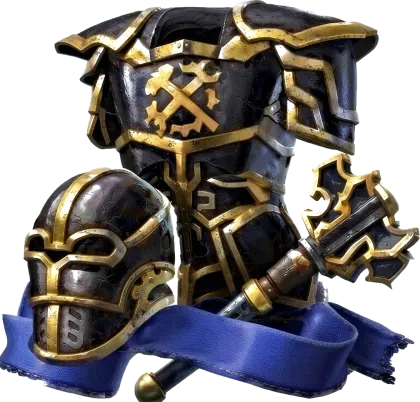
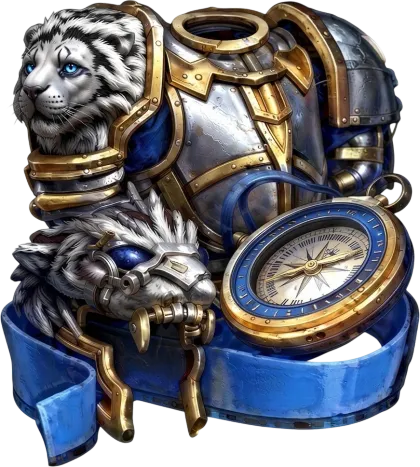
StandardCommon materials.6
Its materials come out of the common crypts.
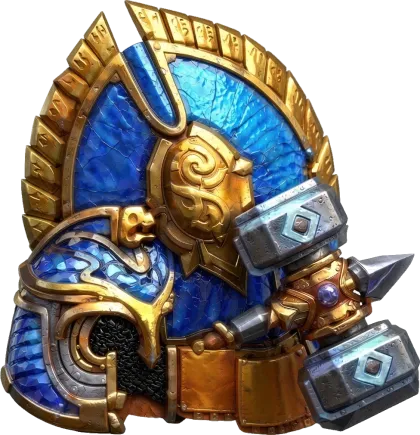
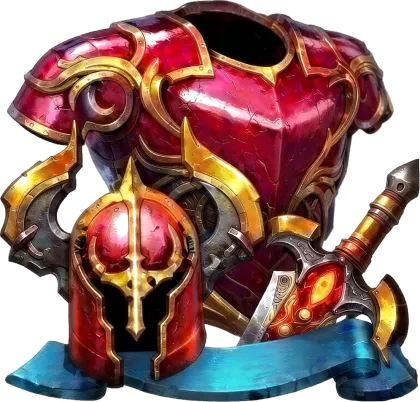
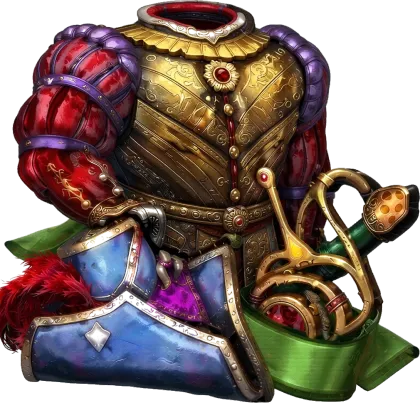
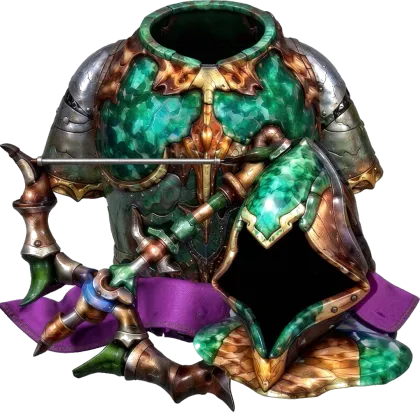
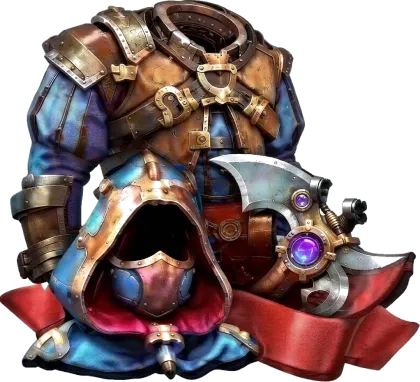
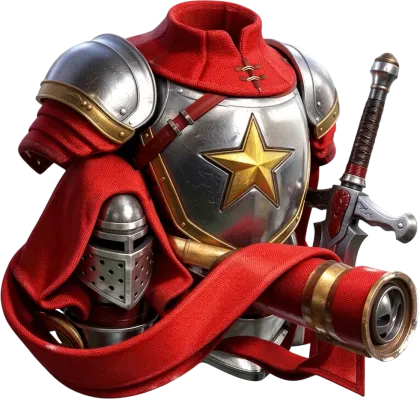
UniqueEpic materials.5
Built from what the epic crypts pay out, which is what makes it cost so much more than the standard.
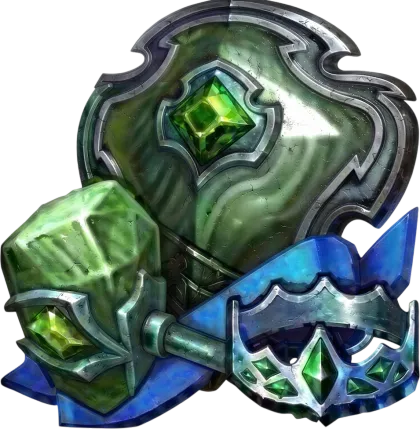
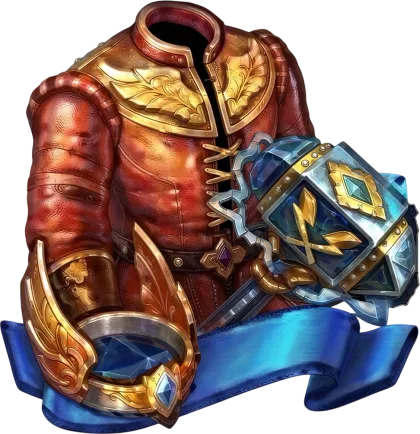
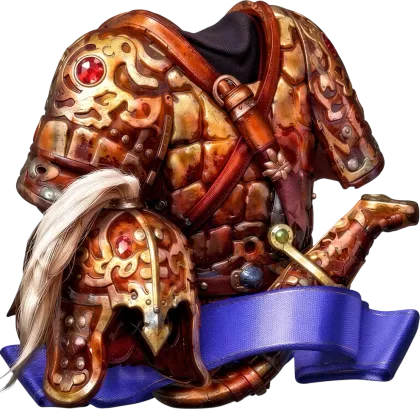
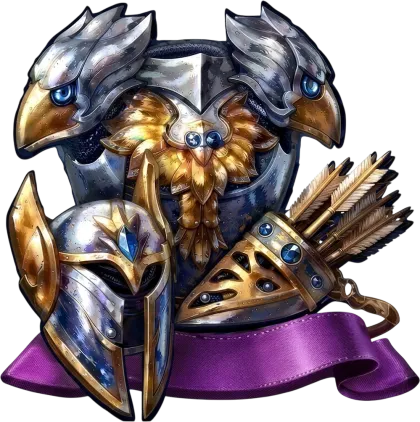
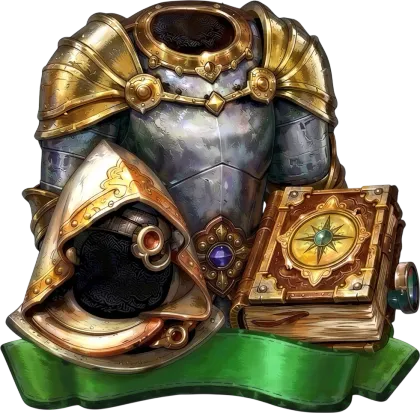
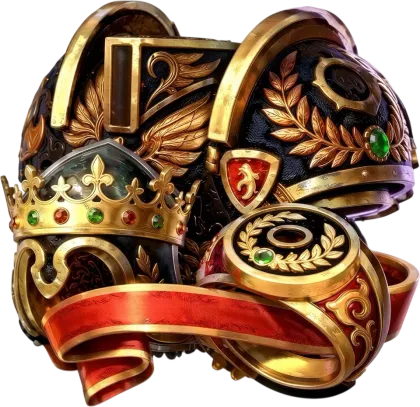
TournamentThree epic materials, plus the Tournament Trophy.3
Three quarters of it is craftable and the last quarter has to be won. The same single tournament material serves all three sets, so no amount of crypting replaces it.
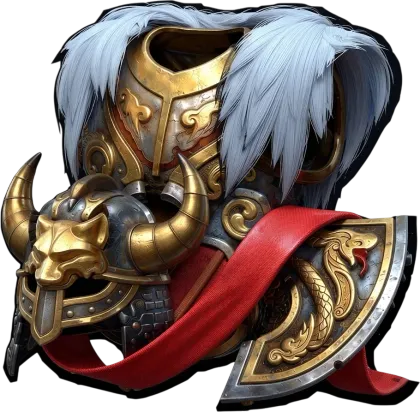
RagnarökFour Rune Stones from the Ragnarök shop.1
Event equipment, and it starts with more durability than a regular piece.
SeasonalNone: it is won, not made.1
What the Seasonal Kingdom pays out, and Season’s Legacy after it. It is the one family that skips the two lowest qualities and starts at uncommon, and its durability is in another league entirely.