Gems
Gems are what improves a piece of equipment that is already made. Every piece carries one gem slot, and one only.
Where they come from
They come out of the rare crypts, and that is what those crypts are for: fifteen from the Geodrake and fifteen from the Dracorne, with no overlap between the two. Cyanite is the odd one — it is not crypt loot at all, it comes from the Seasonal Kingdom's rewards.
Twenty of the thirty-one come in strength-and-health pairs, and how those pairs are split decides which crypt is worth your tar. Melee, mounted and scouts have both halves in the Geodrake; ranged, siege engines and flying have both in the Dracorne. Only four pairs are split between the two — the whole army, fortifications, guardsmen and specialists.
Which ones are worth the slot
Thirty-one gems and three slots on a captain, six on a hero. Which ones deserve the slot is not a matter of taste.
Cyanite first, and not by a little. Most of the attacking anyone does in this game is on epic monsters, and its bonus is proportionally far larger than the rest — which fits, since it is the one gem no crypt will ever give you.
Then Amber. Crypt exploration efficiency is key for your own growth and your clan's.
Then Jasper. Food is what lets you keep an army standing instead of rebuilding it between attacks, and the time not spent retraining is the real prize.
Then Jewel, strength across the whole army — the stat that pays against epics, applied to everything you march with.
The health gems buy nothing against an epic, where everything dies anyway. They are for player against player, for citadels, and for the common and rare monsters.
With one exception worth the slot. Flying health — Moonstone — is what a CP Run Host wants, and it counts at citadels too. It is the gem that goes into the Path of the Skybreaker.
This ranking is a judgement about play, not a figure the game states. What none of it rests on is how much each gem gives.
The catalogue
A gem has eight levels and the bonus at each is fixed. Each card carries what its gem reaches at the top.
Geodrake Crypt15
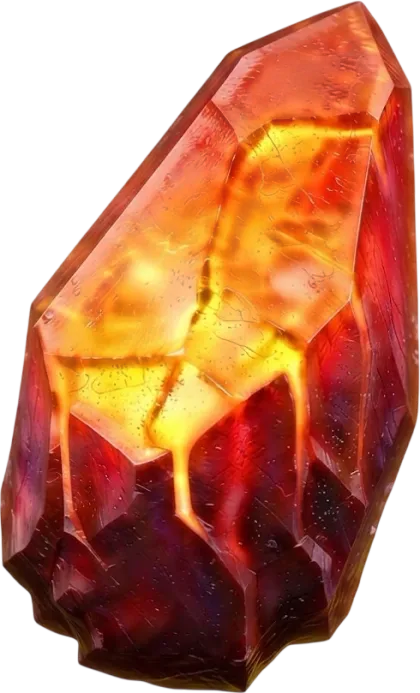
Health of melee units.
up to +40 %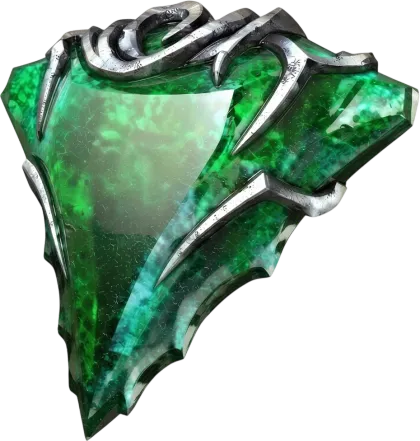
Strength of specialists.
up to +46 %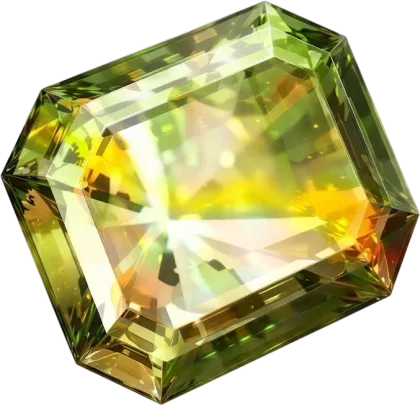
Health of mounted units.
up to +40 %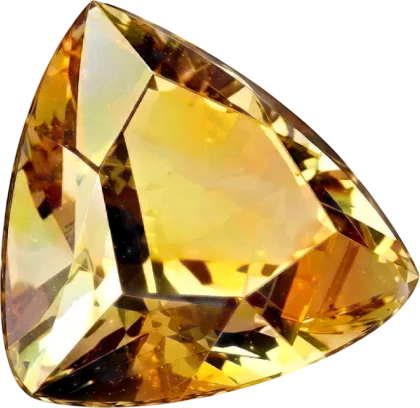
Tar capacity.
up to +40 %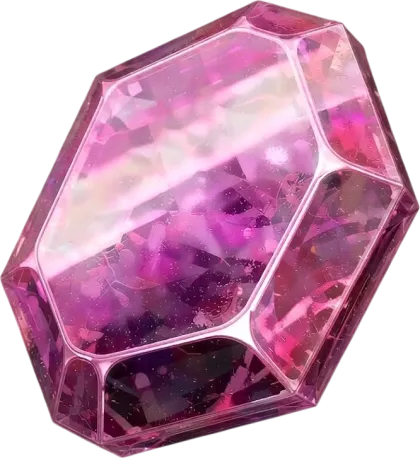
Health of scouts.
up to +40 %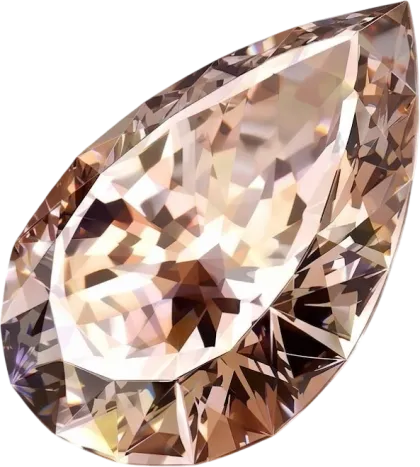
Strength of scouts.
up to +40 %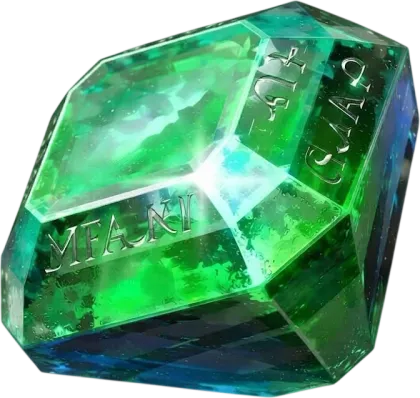
Tar production speed.
up to +40 %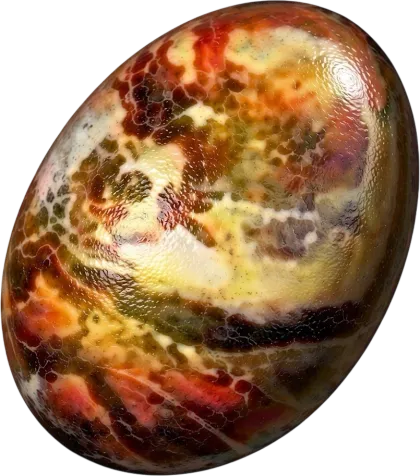
Production of building resources, and of Silver and Food.
up to +45 %
Strength of the whole army.
up to +23 %
Construction speed.
up to +45 %
Training queue limit.
up to +25 %
Strength of melee units.
up to +40 %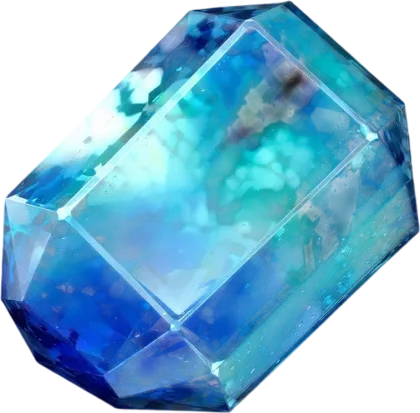
Strength of mounted units.
up to +40 %
Health of guardsmen.
up to +46 %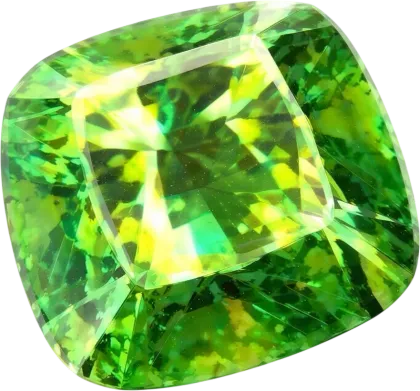
Strength of fortifications.
up to +40 %Dracorne Crypt15

Troop training speed.
up to +45 %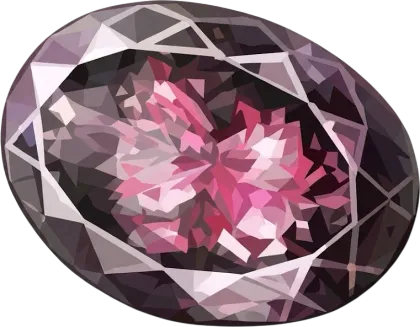
Health of siege engines.
up to +40 %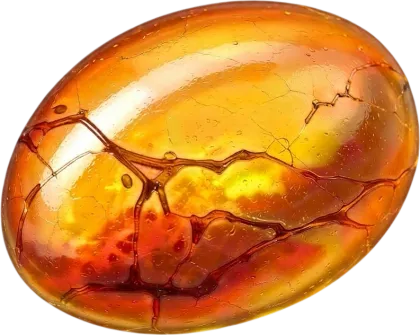
Crypt exploration efficiency.
up to +80 %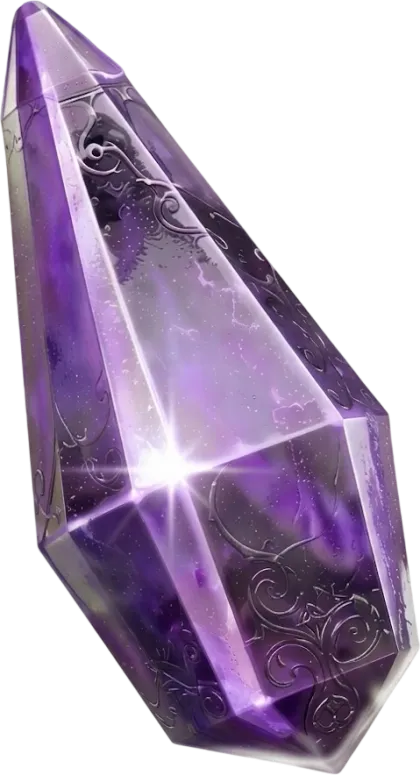
Health of ranged units.
up to +40 %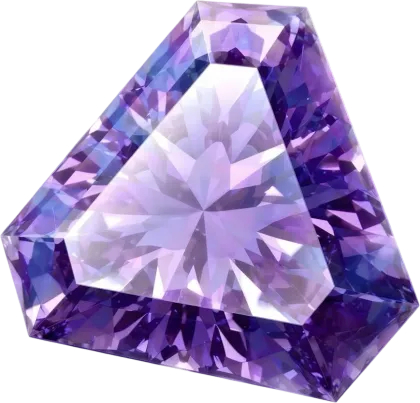
Health of fortifications.
up to +40 %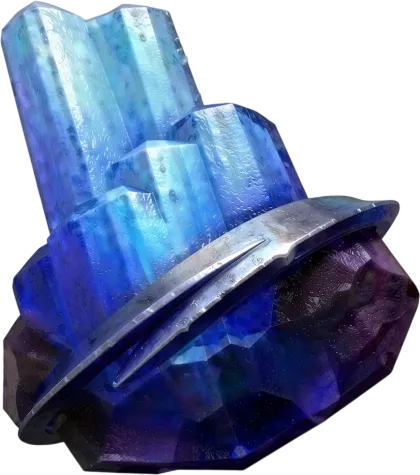
Health of specialists.
up to +46 %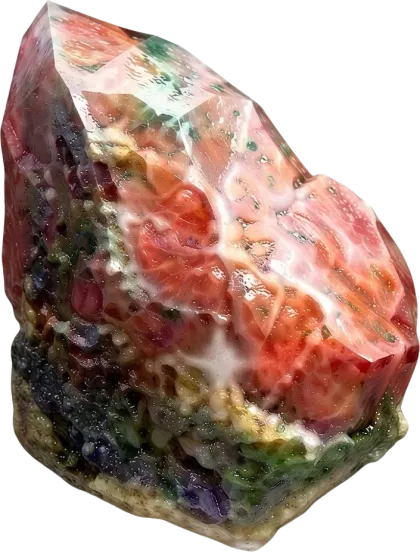
Strength of flying units.
up to +40 %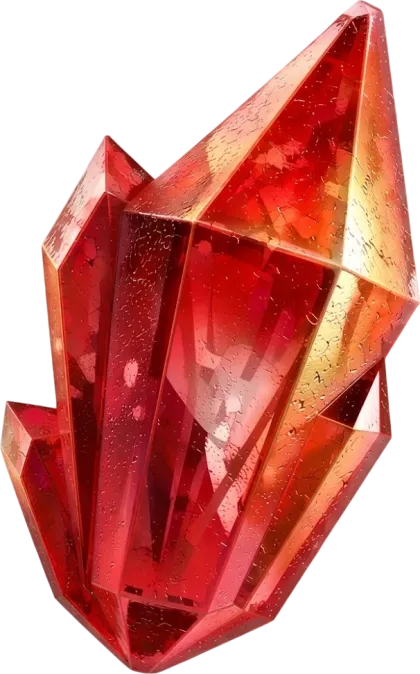
Health of the whole army.
up to +23 %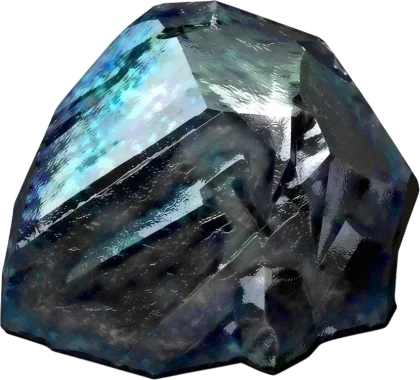
Research speed.
up to +45 %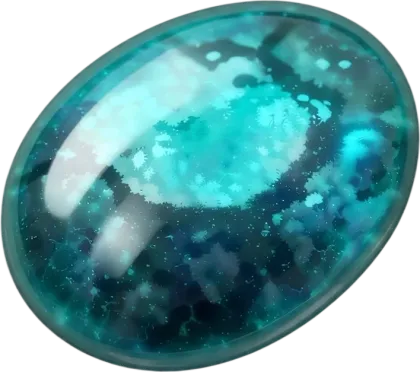
Strength of siege engines.
up to +40 %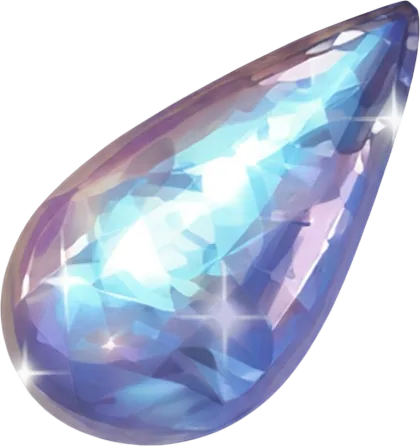
Health of flying units.
up to +40 %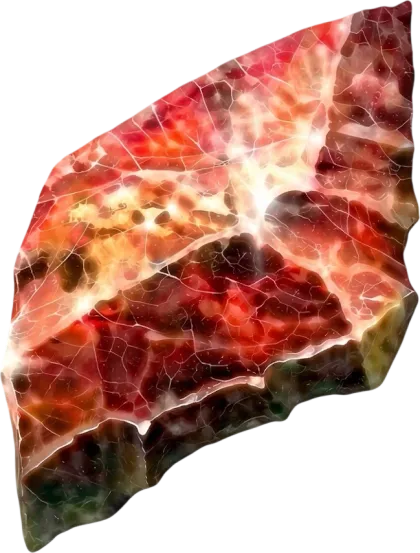
Equipment crafting speed.
up to +45 %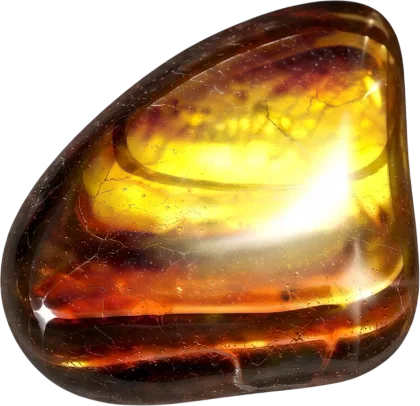
March speed.
up to +25 %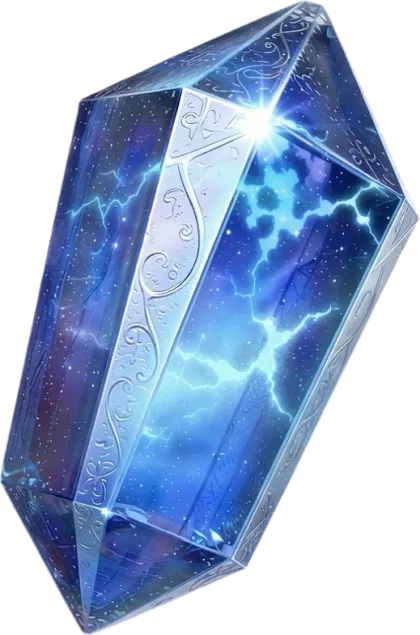
Strength of ranged units.
up to +40 %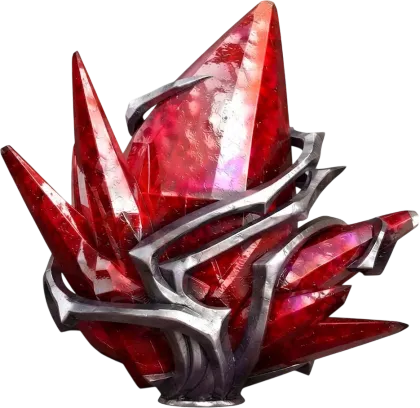
Strength of guardsmen.
up to +46 %Seasonal Kingdom1
Flickering Dust
A gem you have no use for is the raw material for one you want.
Disenchant it and it becomes Flickering Dust.

Dust is what crafts a new gem, and disenchanting is the only place it comes from.
| Quality | Costs to make | Pays when broken |
|---|---|---|
| Poor | 80 | 10 |
| Common | 320 | 40 |
| Uncommon | 1.3k | 160 |
| Rare | 5.2k | 640 |
| Epic | 21k | 2.6k |
| Legendary | 84k | 10.5k |
| Ascendant | 340k | 42k |
| Godlike | 1.4M | 170k |
Both columns climb the same way: every quality is four times the one below it. And the two columns are eight apart, so breaking a gem pays back an eighth of what a gem of its quality costs to make — eight spares of a quality buy exactly one of it.
Cyanite is the exception, and it has no cost in the table because it cannot be made at all. It is not crypt loot either: it comes out of the Seasonal Kingdom.
The enchantments, which pair with these →The crypts that pay them →